The Eco-Guardians Youth Training and Mentorship Program is a land-based education initiative that empowers Indigenous youth and supports community resilience through hands-on learning grounded in sustainability, food sovereignty, and Traditional Ecological Knowledge (TEK).
Rooted in the Indigenous legacy of self-sufficiency and resilience, this program combines practical skills training with cultural teachings to build capacity at the community level. Participants engage in comprehensive training that includes garden and greenhouse operations and maintenance, the art of composting and vermicomposting, cultivating native and edible plants, and building food forests that reflect local ecosystems and traditional food systems.
Through mentorship and paid internship opportunities, youth are equipped to become caretakers of the land and leaders in their communities. The program also emphasizes waste diversion through circular economy practices, helping participants reimagine waste as a valuable resource.
Implemented in communities such as Mînî Thnî and Eden Valley communities, the Eco-Guardians Program offers a flexible model that can be adapted to meet the needs of Indigenous and rural schools across Canada. Community gardens and greenhouses serve as living classrooms where students connect deeply with the land, learn to grow and preserve their own food, and revitalize traditional knowledge systems.
By cultivating environmental leadership, cultural pride, and practical sustainability skills, Eco-Guardians nurtures the next generation of land stewards committed to building a regenerative future rooted in Indigenous values and community well-being.
Program Offerings:

Growing Food
Learn how to manage and sustain the growth of diverse plants in community gardens and greenhouses. Topics include soil preparation, planting techniques, crop rotation, organic pest control, harvesting, and seed saving.

Regenerating Ecosystems
Apply gardening skills and regenerative agriculture practices by cultivating native plant species and establishing food forests. Explore the cultural significance, medicinal and nutritional uses of native and endemic plants, while contributing to biodiversity and land regeneration through culturally grounded approaches.

Composting
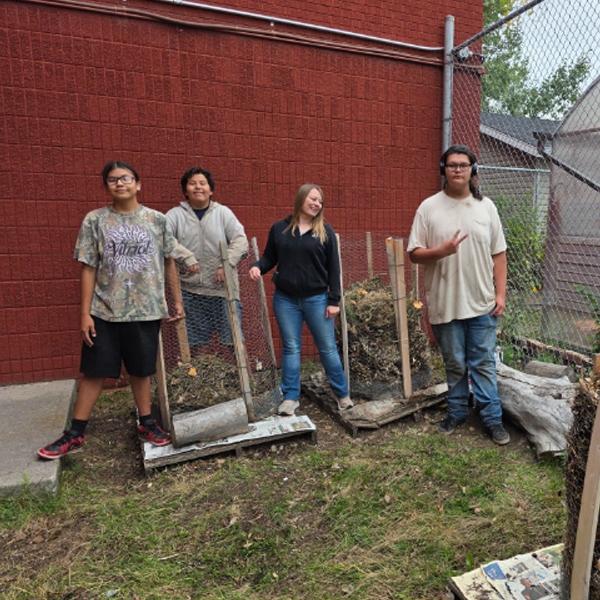
Learn the art of composting through hands-on experience with both thermal composting and vermicomposting systems. Participants operate and maintain composters to transform organic waste into nutrient-rich soil amendments, effectively diverting food scraps from landfills and advancing zero waste goals. By managing temperature, moisture, and the balance of green and brown materials, and by working with Eisenia fetida (red wiggler worms), learners deepen their understanding of microbial life, soil health, and the ecological value of compost. These practices support food production with higher nutritional value than conventional industrial agriculture, while restoring soil ecosystems.
Testimonial

Stoney Nation Job Resource Center
Elizabeth Romo‑Rabago’s work with Ciclomanias and the Mini Thni Community Schools has been truly impactful. Her leadership in teaching foundational horticulture skills has inspired our youth to explore future pathways as botanists, ecologists, horticulturists, agronomists and landscape architects.
Ciclomanias integrates traditional knowledge with hands‑on learning, motivating students to reconnect with the land and their cultural identity.
The Stoney Nation Job Resource Centre partnered with Ciclomanias to launch the Eco‑Guardians Youth Training and Mentorship Program, which provided education, employment, and a safe, supportive work environment for youth throughout the summer. Participants gained experience in gardening, site maintenance, composting, and waste management, core components of the Eco‑Guardians initiative.
The 2025 Ciclomanias Eco‑Guardians summer work experience program was a great success, and we hope to see Elizabeth’s work continue. This mentorship opportunity is much needed in our community, and we look forward to building on the strong foundation created through this partnership.
Lionel Crow
Program Manager
Stoney Nation Job Resource Center
Neepin Auger
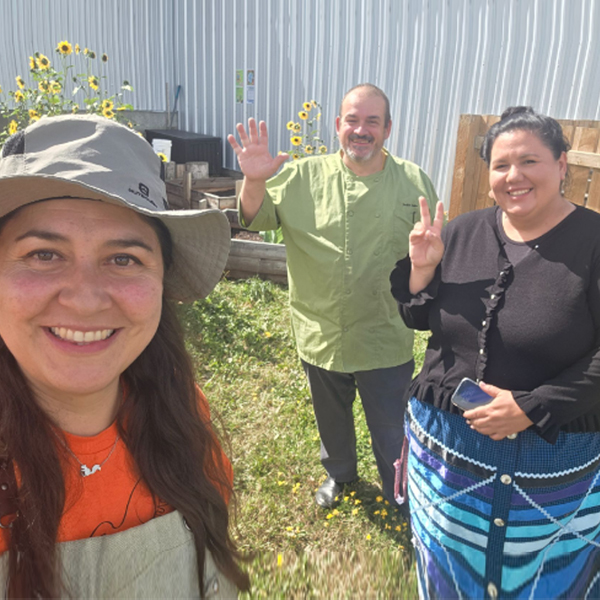
Although I joined CJBS near the end of the growing season, I had the opportunity to see the positive impact of the Eco-Guardians program and the pride surrounding this year’s harvest.
Programs like Eco-Guardians provide valuable opportunities for our youth to develop practical skills, responsibility, confidence, and a connection to the land through hands-on learning and mentorship. Summer garden care is especially important because it ensures the work started during the school year continues and that students and staff can return to a healthy and productive garden.
The program is a wonderful support to our students, teachers, and the broader school community. It creates meaningful learning opportunities while encouraging youth leadership, teamwork, and community involvement. I look forward to seeing the program continue to grow at CJBS and to witnessing its full impact in the years ahead.
Îsnîyes, Neepin Auger
Principal, Chief Jacob Bearspaw School
Nathan Court
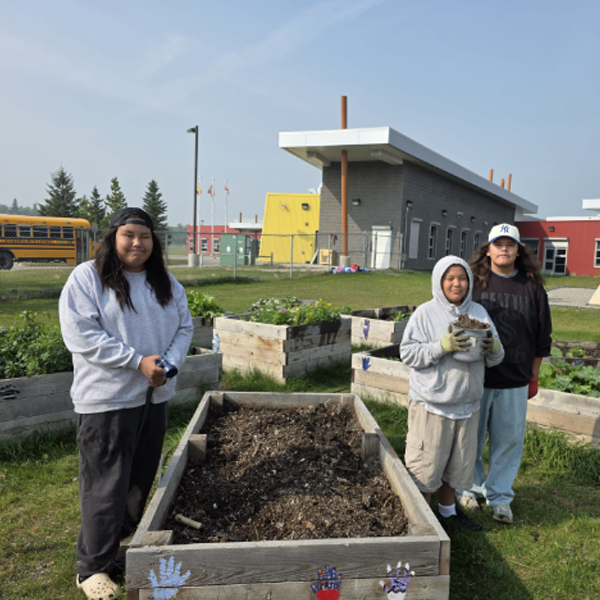
Having Eco-Guardians care for our garden over the summer makes a real difference for Nakoda Elementary School. Their work keeps the garden growing while students and staff are away, so teachers can build on it when school resumes. Just as valuable, the program gives young people hands-on training and mentorship as they care for a space our whole school community can enjoy. We appreciate the care and pride they bring to the garden.
Nathan Court
Principal, Nakoda Elementary School
Vivian Mark
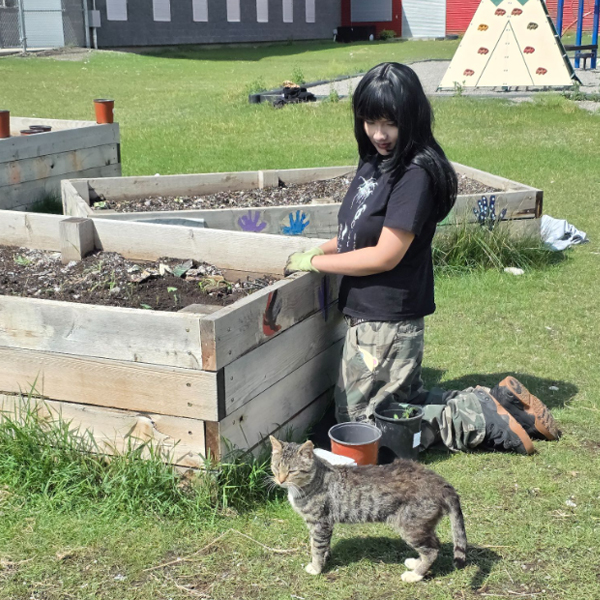
Last summer (2025), I worked with the Eco‑Guardians gardening program from late spring to early autumn. It was my first job ever, and being a gardener turned out to be an amazing experience. I learned so much, and I still carry the knowledge I gained from my boss, Ms. Elizabeth, who was always kind, patient, and supportive during my training. She even brought rhubarb muffins for me and my coworkers — something I’ll never forget.
Learning how to grow my own vegetables inspired me to start a garden at home, and I even helped my grandma begin hers too. Growing your own vegetables, fruits, and herbs feels healthier and more meaningful, especially knowing exactly where your food comes from and that it isn’t genetically modified or processed.
My time with the Eco‑Guardians is something I look back on with a lot of gratitude. It was an incredible first job experience, and I truly hope to be part of the program again this year.
Vivian Mark
Grade 11 student and Eco‑Guardian supporting Mînî Thnî Community School greenhouse and Nakoda Elementary School gardens.
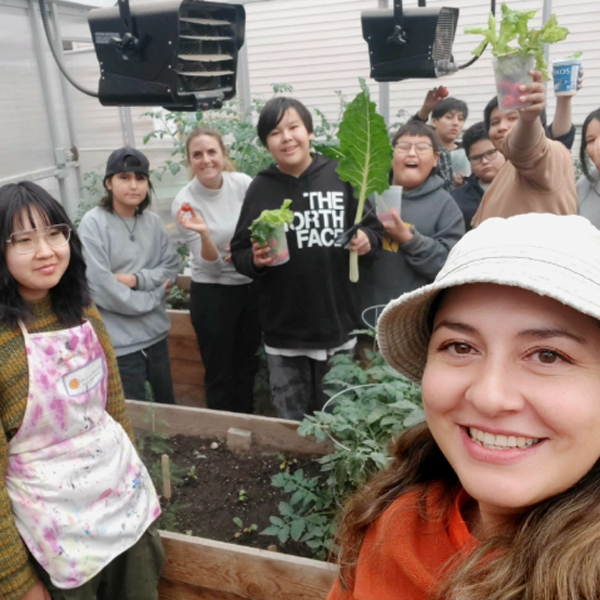
Mînî Thnî Community School
“Elizabeth Romo-Rábago is a passionate educator whose work with Ciclomanias has had a lasting impact on our students and community. Over the past three years at Mînî Thnî Community School, she has delivered hands-on, culturally rooted environmental education that blends science with Traditional Ecological Knowledge. From teaching composting and zero waste practices to reviving the Three Sisters planting method, Elizabeth inspires youth to reconnect with the land and take pride in their cultural identity.
Most recently, she co-developed the Eco-Guardians Youth Training and Mentorship Program in partnership with the Stoney Nation Job Resource Centre and Stoney Trail Wellness Centre. Thanks to this initiative, our students now have paid summer positions in community gardens, gaining skills, confidence, and leadership as future land stewards. Elizabeth’s work is a model of what land-based, youth-centered education should be.”
Jamie Martin
Foods Program Teacher, Mînî Thnî Community School
Nakoda Elementary’s School Garden
The Eco Guardians Youth Training program, and the contributions of the students enrolled in the program has been vital to the care and maintenance of Nakoda Elementary’s School Garden. The stewardship of its members allowed the garden to thrive during summer months, and for our gardening program to be expanded through essential landscaping and infrastructure. Because of the yard maintenance and watering, opportunities for harvesting can be implemented into our fall season land based curriculum- teaching plant life cycles, self sustainability, and food literacy. Eco Guardians fostered new relationships between our NES community, the MTCS community, and continued to create connections with the community outside the school setting. Not only this, but the Eco Guardians have been amazing role models for our young Kindergarten students who watch them work in the garden everyday; inspiring little inquiring minds to ask questions and investigate the school gardens, and aspire to make contributions themselves. We are immensely grateful here at NES for the Eco guardians, myself especially. The condition, cleanliness, and growth in the yard can be attributed to the success of this program. We hope to be able to continue working with Eco Guardians in the future!
Îsnîyes
Robin Paul
K5 EC3 Homeroom Teacher
Nakoda Elementary School
Chelsea Roy
Elizabeth Romo-Rabago brings so much passion, knowledge, and enthusiasm to Ciclomanias' Eco-Guardians Youth Training and Mentorship Program. She is incredibly friendly and approachable, and our students genuinely love learning from her. Her enthusiasm for gardening and growing food inspires students to become curious about where their food comes from and excited to learn through hands-on experiences.
The summer mentorship program has been especially valuable for our school community. Each summer, participating students help care for the gardens at Mînî Thnî Community School and Nakoda Elementary School. Elizabeth provides them with guidance and mentorship while also giving them the independence to take responsibility for the gardens themselves. Students receive tasks to complete, carry out the work, and send Elizabeth photos and updates of their progress. This balance of mentorship and independence helps students build confidence, responsibility, and practical skills.
Another meaningful part of the program is that students are able to take home some of the vegetables they grow and share them with their families. This extends the experience beyond the school gardens and gives students an opportunity to share the results of their work with the people at home.
Elizabeth's passion for this work is evident in everything she does. Through Ciclomanias and the Eco-Guardians Program, she is creating meaningful opportunities for youth to learn practical skills, take pride in their work, and become more connected to food, gardening, and the land.
Chelsea Roy
Foods Teacher
Mînî Thnî Community School
Our Partners